

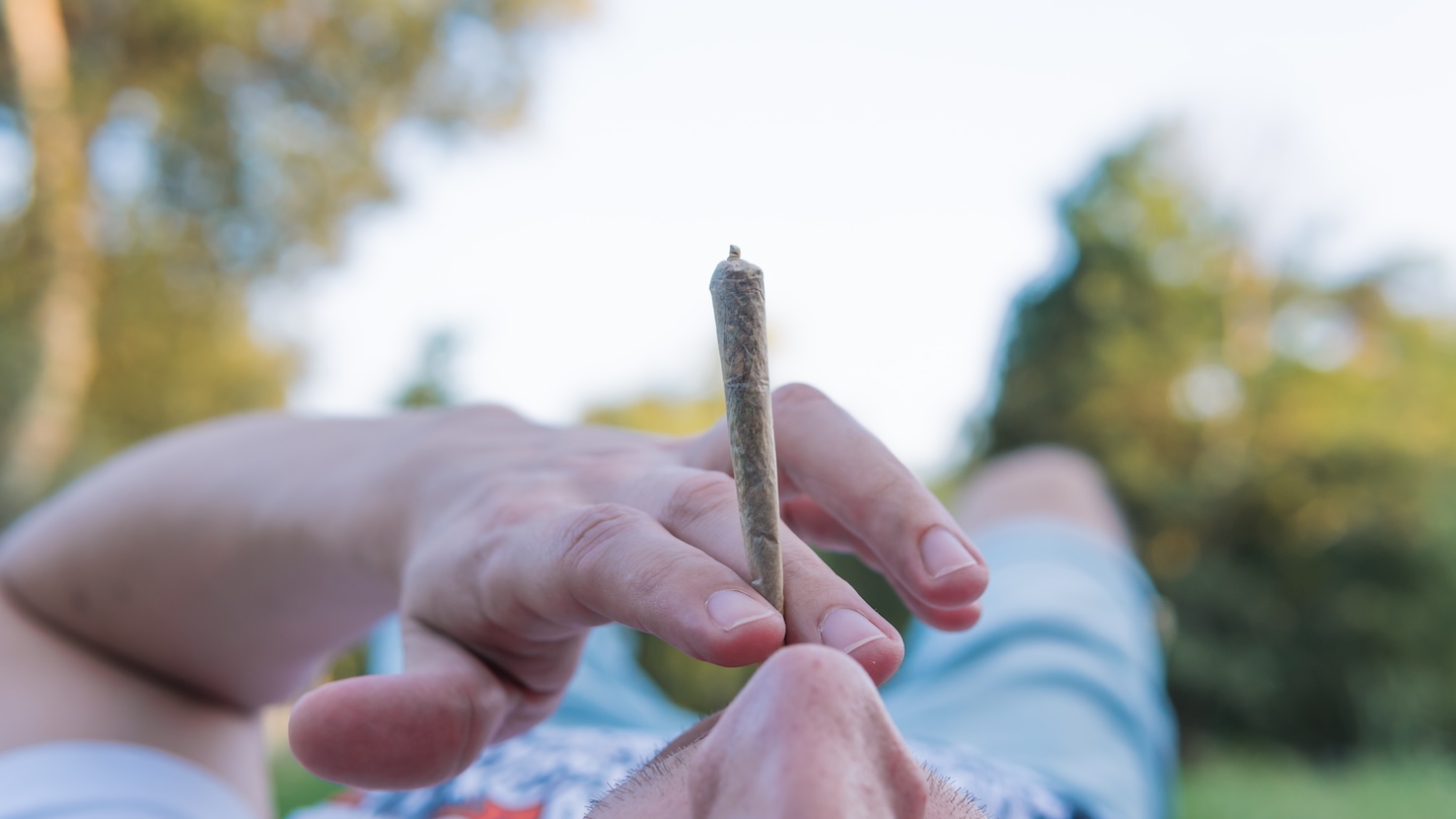
For nearly a century, cannabis has been judged through smoke, not substance. Saddled with a reputation built on propaganda, racism, and outright lies, the plant has been called everything from a “gateway drug” to an “assassin of youth.” These phrases were crafted by agenda-driven bureaucrats, fueling stigma even as evidence began to show that much of what we’d been told wasn’t exactly the truth.
Legalization is spreading, and the industry is expected to reach $216 billion by 2033. With 22% of people using cannabis in the past year, making it America’s most commonly used federally illegal substance, the stakes for understanding the truth have never been higher.
2026 has caught us between decades of propaganda that demonized a plant and modern narratives that sometimes portray it as a miracle cure for everything from anxiety to cancer.
The Gateway Drug Debate
Perhaps no cannabis myth has proven more persistent—or more politically influential—than the gateway drug hypothesis. Research indicates that the progression to more dangerous drugs is more closely linked to factors like environment, social circles, and personal predisposition rather than cannabis use itself. A University of Colorado Boulder study found no conclusive evidence that cannabis legalization leads to the use of other illicit substances.
Yet the correlation argument persists with some validity. One study found that teenagers who use cannabis are 104 times more likely to use cocaine than those who do not, though there were significant differences between the two groups that predated their cannabis use. The National Institute on Drug Abuse clarifies that most people who use cannabis do not go on to use “harder” substances.
Scientists increasingly point to what’s called the “common liability” theory—that certain individuals have a predisposition to substance use generally, rather than cannabis specifically, causing progression. The theory confuses correlation with causation. Many users also try alcohol or tobacco first, yet neither are labeled “gateway” drugs. Social environment, genetics, and economic factors appear to play far more significant roles in whether someone progresses to harder substances.
The Addiction Question: Not Harmless, Not Heroin
The pendulum has swung from “marijuana isn’t addictive at all” to acknowledgment of genuine dependency risks. It is estimated that people who use cannabis have about a 30% likelihood of becoming addicted, with the risk of developing cannabis use disorder being greater in people who start using cannabis during youth or adolescence, and who use cannabis more frequently.
However, context matters. Cannabis can lead to dependence in some individuals, but it is less addictive compared to substances like nicotine or opioids, with withdrawal symptoms generally mild and short-lived, including loss of appetite, insomnia, and irritability. This places cannabis in a unique category—neither as benign as caffeine nor as dangerous as opioids.
The potency factor complicates the addiction debate. The average delta-9 THC concentration almost doubled, from 9% in 2008 to 17% in 2017, with products from dispensaries often offering much higher concentrations, averaging 22% with a range up to 45%. Higher THC concentrations may increase addiction potential, though long-term studies on modern high-potency products are still limited.
The Teenage Brain is Where Concern Meets Science
If there’s one area where researchers largely agree on caution, it’s adolescent use. Early, frequent cannabis users had a 51% higher chance of seeking care for mental health problems in young adulthood compared to those who didn’t use the drug, with an 86% higher chance of needing care for physical health needs.
The developing brain appears particularly vulnerable: exposure to THC during a specific window of adolescence delays maturation of the prefrontal cortex, a region involved in complex behavior. Short-term memory impairment persisted after six weeks of monitored abstinence in cannabis-dependent adolescents ages 14 to 16 compared to matched controls.
Yet even here, the science isn’t absolute. Although few researchers dismiss the potential for cannabis to harm the developing teenage brain, much remains unknown. Some studies show reversibility of effects with abstinence, while others suggest permanent changes. The challenge is that most research can’t definitively separate cannabis effects from confounding factors like socioeconomic status, other substance use, or pre-existing conditions.
Medical Value: Between Miracle & Marketing
The medical cannabis debate exemplifies how myths cut both ways. Forty-nine states have acknowledged the medical value of cannabis, 37 of which have effective laws, contradicting decades of federal classification as having no medical value. Medical marijuana is used to treat chronic pain, epilepsy, PTSD, multiple sclerosis, nausea from chemotherapy, and so much more.
But the miracle cure narrative also deserves scrutiny: Cannabis can be effective for many conditions, but it is not a miracle drug. Like any therapeutic agent, it has limits, potential side effects, and must be used appropriately. The lack of FDA approval for most cannabis products means dosing, purity, and efficacy remain inconsistent challenges.
Lazy Stoner or Productive Professional?
The “lazy stoner” stereotype has been discredited by new research that shows teens and adults who consume cannabis are “no less likely to be motivated.” While excessive, chronic use may affect daily functioning in some individuals, most users do not experience a decline in motivation, ambition, or life satisfaction.
The stereotype persists partly because it confirms biases and partly because heavy, chronic use can indeed impact motivation in some individuals. Some strains promote creativity, focus, and energy. Context, dosage, and individual response vary far more than blanket stereotypes suggest.
The Indica vs. Sativa Illusion
One of the most pervasive consumer myths is crumbling under scientific scrutiny. Mounting scientific evidence suggests that these labels are largely meaningless. Research shows the two have no significant chemical or genetic differences. Not only does research show there’s no consistency between what is called “sativa” and “indica,” a lack of regulation in strain naming creates “kind of a hot mess.”
Yet dispensaries worldwide continue marketing products based on this distinction, and many consumers swear by the different effects. The placebo effect, terpene profiles, and individual cannabinoid ratios may play larger roles than the supposed genetic differences between strains.
Finding Truth in the Haze
The cannabis conversation suffers from what researchers call “reefer madness” on one side and “reefer gladness” on the other. Regular use of high THC products can produce addiction (cannabis use disorder), and chronic patterns of cannabis use have been associated with multiple adverse outcomes, particularly concerning adolescents.
Simultaneously, millions of individuals suffering from HIV/AIDS, autism, cancer, multiple sclerosis, Crohn’s disease, seizure disorders, chronic pain, and other debilitating illnesses find that cannabis provides relief from their symptoms.
The reality? Cannabis is neither the devil’s lettuce nor God’s gift to medicine—it’s a complex plant with over 100 cannabinoids that affects different people in different ways.
Perhaps the biggest myth is that we have all the answers. As public health messaging should encourage teens to abstain from cannabis use as long as possible, while research continues, we need nuanced conversations that acknowledge both risks and benefits.